Why Cat Urine Smells Worse and Lasts Longer Than Dog Urine
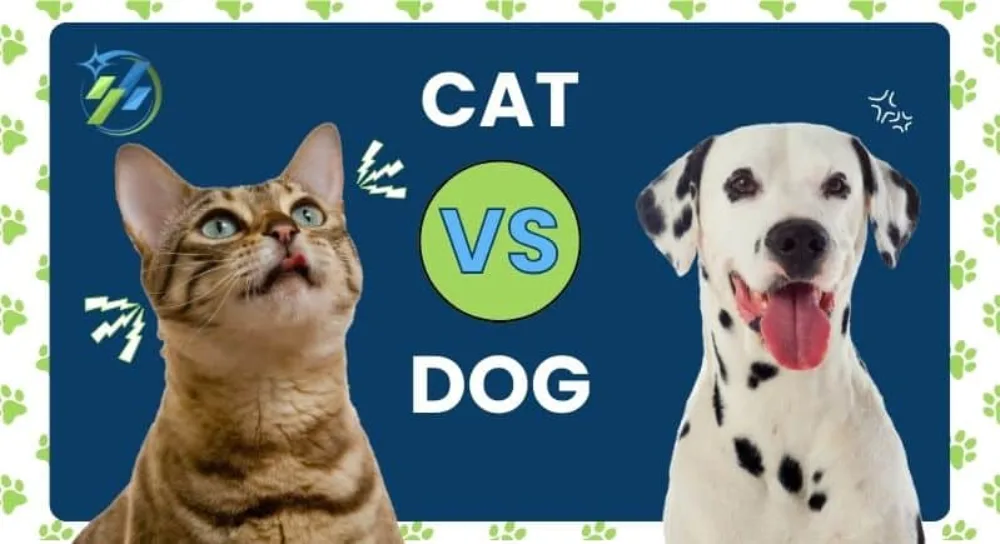
Cat urine has a worse smell than dog urine since it contains less water. It also contains a substance called felinine, a sulfur compound which breaks down into a more pungent gas as it sits. This is the reason why the smell usually gets stronger in the weeks following an accident rather than diminishing.
How Far the Damage Actually Goes
A visible stain the size of a dinner plate is usually about a tenth of the affected area.
The urine spreads outward through the backing of the carpet, then into the padding, then into the subfloor. What you see on the surface is the top of a much larger problem, and animals return to the same spot, so it builds.
That is the part homeowners do not expect. They are looking at a spot. I am looking at a column that goes down through three layers.
If Your Cat Sprays, the Carpet Is Not the Only Problem
Spraying is horizontal. It reaches baseboards, sheetrock, and furniture.
The odor a homeowner is chasing on the floor is often coming from several places at once, and the floor is only the one they can see. This is why a room can be cleaned thoroughly and still smell.
Why the Smell Comes Back After Cleaning
When urine has dried, it leaves behind crystalline deposits that do not dissolve in water and remain in the fibers, the padding, and the subfloor, causing gas, which is the odor we smell.
Humidity brings the odor back. The crystals draw moisture from the air, and the odor returns with it. This is why a spot that seemed handled in February is noticeable again in July.
Why Store-Bought Sprays Do Not Work
The product never reaches the problem.
A homeowner sprays the face of the carpet. The contamination is in the backing, the padding, and the subfloor. Treating the surface of a carpet when the urine is three layers down does nothing to the odor, because nothing has made contact with the source.
Enzyme products have a second problem on top of that. Enzymes need conditions. They need time, they need to stay in contact with the contamination, and they need to stay wet. Once the product dries, it stops working. An over-the-counter spray applied to the carpet face dries in minutes and never reaches anything.
So the smell does not go away, and the homeowner concludes the spot needs cleaning again.
Carpet Cleaning and Pet Odor Removal Are Not the Same Service
This is the most common misunderstanding I encounter.
A standard carpet cleaning does not treat urine, even on the face of the carpet. Water and general carpet cleaning solutions are not effective on urine contamination. They are formulated for soil, and urine is not soil. The chemistry required to break down urine deposits is different, and a cleaning that is correct for a dirty carpet will pass straight over a urine spot without touching what is causing the odor.
That is before you account for depth. Cleaning addresses the carpet. Pet odor removal addresses everything the urine reached, which is usually the padding and the subfloor as well.
A cleaning will make the room smell better for a while. It does not remove what is underneath, and it does not remove what is in the fibers either.
What Removing Cat Urine Odor Actually Involves
In a severe case the carpet has to be disengaged from the floor. The carpet is treated and cleaned. The padding often has to be replaced. The subfloor is then treated and sealed, so anything remaining in the material is locked in rather than released back into the room.
Where the subfloor is damaged beyond treatment, I recommend replacing that section, then treating and sealing the structure underneath.
I do not rely on enzymes. There are more effective products available for cat urine specifically, and they are what I use.
Hard Surfaces Are a Different Problem
Urine on concrete behaves differently from urine on plywood, and both behave differently from urine in carpet.
Every surface takes a different approach, and the work is a balance. The goal is to remove the odor without damaging the structure you are treating. Which method is correct depends entirely on what the material is.
What This Means for You
Cat urine odor is not a cleaning problem. It is a contamination problem in materials you cannot see.
If a spot keeps coming back, that is the answer. The source is still there.
I always conduct a thorough inspection first to determine the correct cleaning process. For pet odor, that inspection determines how far the contamination has gone, which decides everything that follows.
Updated August 2026
About Pure Surface Care
Pure Surface Care is an IICRC-certified cleaning firm serving homes and businesses across Monmouth County, NJ. We clean carpet, tile and grout, hardwood, upholstery, and more, and we specialize in pet odor removal that targets the source. Learn more about Pure Surface Care.