What pH Has to Do with Carpet Cleaning
In this blog, we'll explain what pH means in carpet cleaning and why it matters for your floors. You don't need any chemistry background; a few simple ideas show why balance does the real work in carpet cleaning.
Our pH-balanced cleaning products are designed to protect carpet fibers, improve air quality, and deliver good cleaning results without leaving any residue behind.
What pH Means in Carpet Cleaning
The pH scale tells us how acidic or alkaline a substance is, on a scale from 0 to 14, with 7 being neutral. Values under 7 are acidic, like vinegar or lemon juice. Values above 7 are alkaline, like baking soda or soap.
Different carpet fibers react differently to pH. Using buffered solutions at the proper pH level is what produces a clean carpet with no residue or stickiness.
How pH Affects Carpet Fibers
Every carpet fiber has a safe pH range, and long-term problems can occur if the wrong cleaner is used, even once.
- Wool is naturally acidic and requires mild cleaning agents. Stronger ones strip its protective layer, which can cause shrinking or yellowing.
- Nylon is more tolerant, but it works best under pH 10. Strong alkaline products can gradually strip the stain protection built into the fiber.
- Polyester and olefin tolerate a slightly higher pH, but the chemistry still needs to be controlled to prevent oxidation and color fading.
The goal is balance. A stronger solution is not a better solution; the aim is chemistry that is effective and safe for the specific fiber.
Why Using the Wrong pH Causes Problems
Cleaning products that are too alkaline can damage the carpet and leave behind a residue that attracts more soil. The carpet looks dirty again shortly after being cleaned.
Products that are too acidic can cause colors to bleed or fade and can damage the fibers, particularly wool and other natural materials.
Many store-bought cleaners miss this balance. They may look effective at first, but they often leave a sticky residue that catches soil. This is why professional cleaning always begins with fiber identification and pH testing before any product touches the carpet.
Why Pure Surface Care Uses Buffered, Safe-Solution Chemistry
At Pure Surface Care, we use buffered solutions so the pH of our cleaning agents stays steady through the entire process. That stability prevents the sudden swings that can damage carpet fibers or their protective coatings.
- The rinse step removes the cleaning agents and leaves nothing behind.
- A balanced pH means the carpet dries clean and soft, not tacky.
- Products are selected to match the carpet manufacturer's recommendations for each fiber type.
- Our cleaning solutions are safe for families and pets.
The process follows IICRC standards for pH-safe cleaning and combines the chemistry with hands-on experience.
How Surfactants Work in Carpet Cleaning
Surfactants enable the water to penetrate oil, soil, and the residue on the fibers. They reduce the surface tension between the liquid and the solid, thus allowing cleaning agents to go deeper into the carpet.
- Surfactants act to loosen the bond that exists between the soil and the carpet fibers.
- Heat and agitation cause the solution to bring soil to the surface.
- Rinsing removes it completely.
Combining surfactants with the correct pH balance produces a thorough cleaning action which leaves neither residue, nor film, nor any damage to the fibers.
The Role of pH in Spot and Stain Removal
Every spot on your carpet has its own chemical character, and it is necessary to know whether it is acidic, alkaline, or neutral to know how to deal with it.
- Stains from food and drink, such as coffee, juice, and wine, are generally acidic. We apply a weak alkaline cleaner to neutralize and remove them.
- Since soap or detergent residue is alkaline, we use a weak acidic rinse to reestablish the balance.
- At first, urine stains are acidic but become alkaline afterward. So we make the appropriate adjustments to eliminate the odor and prevent damage to the fibers.
That is why using random over-the-counter spot removers may make stains worse, since the pH mismatch can either set the discoloration or permanently damage the fibers.
The Science Behind a Residue-Free Finish
Certain carpets tend to become soiled again fairly quickly after being cleaned since detergent is still left behind. If the cleaning solution is not thoroughly rinsed or neutralized, the residue that remains has a magnet-like effect on dust and oil. The process involves pH-balanced rinses to return the fibers to their natural condition. Each stage is crafted to leave no residue and help the carpet dry more quickly. The balanced chemistry also helps protect against wicking, which is the phenomenon where deeper soils rise to the surface as the carpet dries.
pH Balance and Indoor Air Quality
It is not generally realized that pH affects indoor air quality. Very harsh or strongly alkaline cleaners can give off fumes that linger and affect those who are allergic or sensitive.
Our cleaning products are created to protect both your carpet and the air you breathe; by keeping our products within safe pH levels, we avoid unwanted chemical reactions and help keep your indoor environment healthier.
Pure Surface Care's Step-by-Step pH-Safe Process
- The process begins with a thorough inspection to determine the fiber type, the way it is constructed, and any previous cleaning residues.
- The next step is vacuuming to eliminate the insoluble dirt that makes up about 70 percent of the dirt in your carpet.
- A buffered, safe pre-spray is then used to loosen the soil, ensuring it remains within the permitted pH range for that type of carpet.
- Gentle agitation enables surfactants to lift embedded soil without damaging the fibers.
- We rinse the material thoroughly using a solution that is pH-balanced to restore the fiber's natural feel.
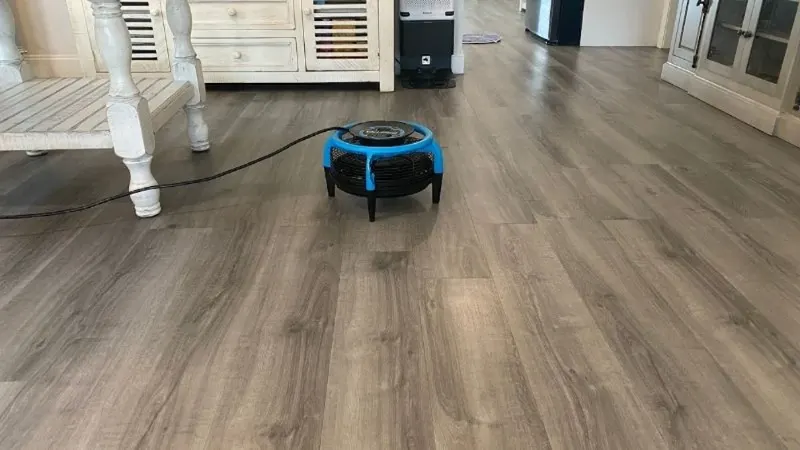
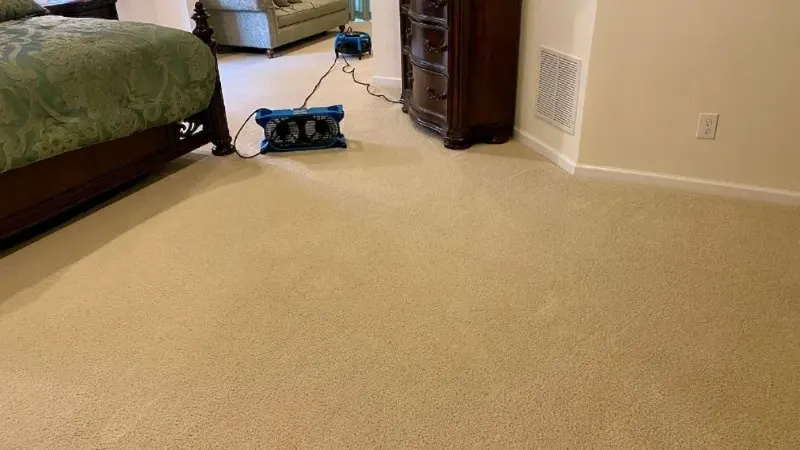
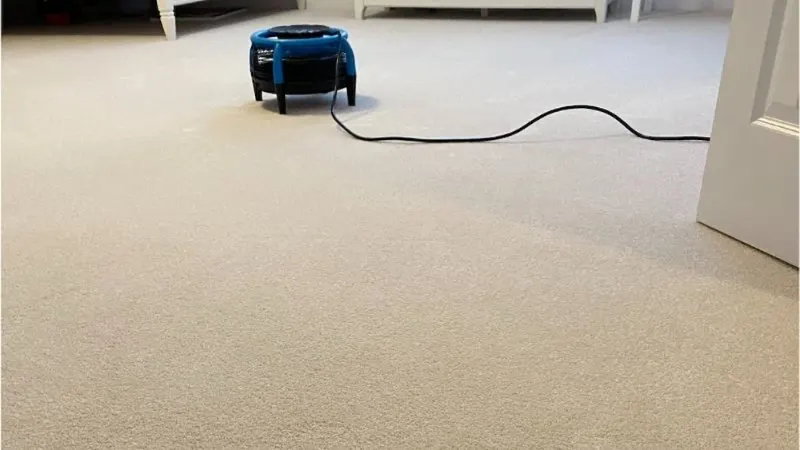
- We complete the process by brushing the pile and using air movers to accelerate the drying, thus avoiding wicking or residue.
Why pH Balance Protects Your Carpet
Using balanced pH cleaners helps prevent:
- Fiber distortion and color fading
- Sticky residue that attracts soil
- Odor buildup caused by poor rinsing
- Rapid re-soiling after cleaning
A balanced cleaning will give your carpet a boost and help keep the warranty valid.
Updated July 2026
About Pure Surface Care
Pure Surface Care is an IICRC-certified cleaning firm serving homes and businesses across Monmouth County, NJ. We clean carpet, tile and grout, hardwood, upholstery, and more, and we specialize in pH-balanced carpet cleaning that protects fibers and leaves no residue. Learn more about Pure Surface Care.